Stone dust is a key material in these base systems, especially in large-scale landscaping and construction projects where consistency and compaction are critical. Whether used for commercial walkways, residential patios, or municipal hardscape installations, it provides the fine grading layer that helps lock the entire system together.
As outlined in Building from the Ground Up: Why Bulk Materials Matter, successful construction depends on selecting the right materials in the right quantities to ensure long-term performance and consistency across the entire project site.
What Is Stone Dust and Why Is It Used?
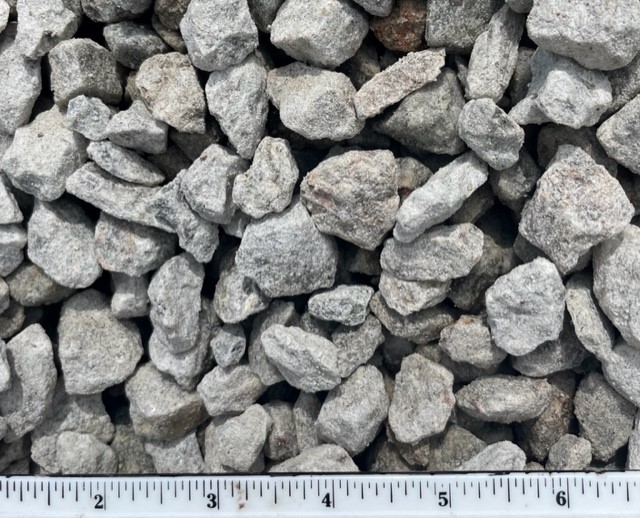
Stone dust is a finely crushed aggregate created as a byproduct of stone processing. Its fine texture allows it to settle tightly into voids between larger base materials, creating a smooth and stable surface for hardscape installation.
Unlike coarse gravel or drainage stone, stone dust is designed for precision leveling and surface refinement rather than drainage or structural support. It acts as a binding and finishing layer within the base system.
Key characteristics include:
- Fine, sand-like texture for precise leveling
- High compaction capability for stable foundations
- Ability to fill voids between larger aggregate materials
- Compatibility with pavers, stone, and masonry systems
This combination of properties makes it especially useful in applications where surface accuracy and stability are essential.
Compaction Benefits in Paver Base Construction
One of the most important functions of stone dust is its ability to compact into a dense, stable layer. When properly installed and mechanically compacted, it forms a firm surface that resists movement and distributes weight evenly.
This helps prevent common long-term issues such as:
- Paver shifting or lateral movement
- Uneven settling and surface dips
- Joint separation between stones or pavers
- Weed growth caused by unstable gaps
Compaction also improves load distribution, which is especially important in high-traffic areas like commercial walkways, plazas, and driveways. When the base is uniform and tightly compacted, the surface above remains stable under both foot traffic and vehicle loads.
Stone Dust in Walkways, Patios, and Masonry Projects
Stone dust is widely used across a range of hardscape and masonry applications because of its versatility and precision. It is especially valuable in projects where even elevation and tight tolerances are required.
Common applications include:
- Base layer for paver patios and outdoor living spaces
- Leveling material for walkways and garden paths
- Bedding layer for masonry stone installations
- Step and stair base preparation
- Joint stabilization in paver systems
In patio construction, stone dust provides a smooth and consistent surface that allows pavers to be installed evenly. In masonry work, it serves as a workable bedding layer that helps position stones accurately before final compaction.
Stone Dust in Large-Scale Landscaping Projects
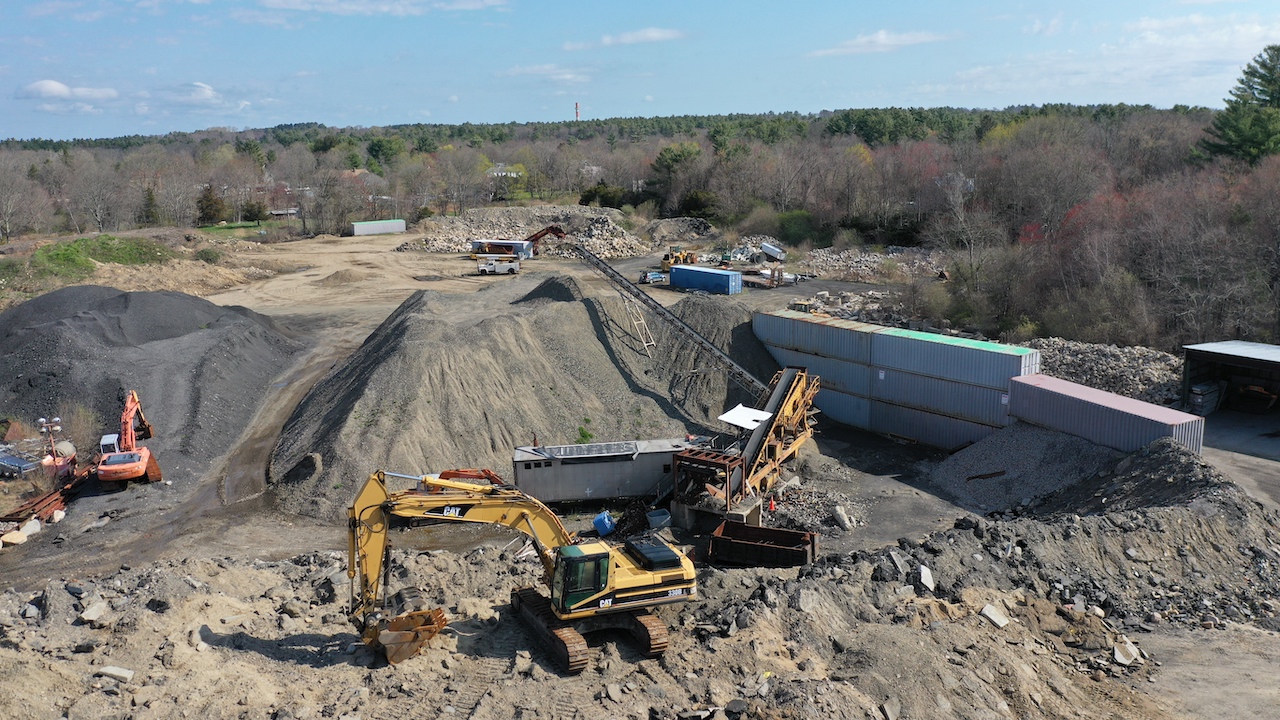
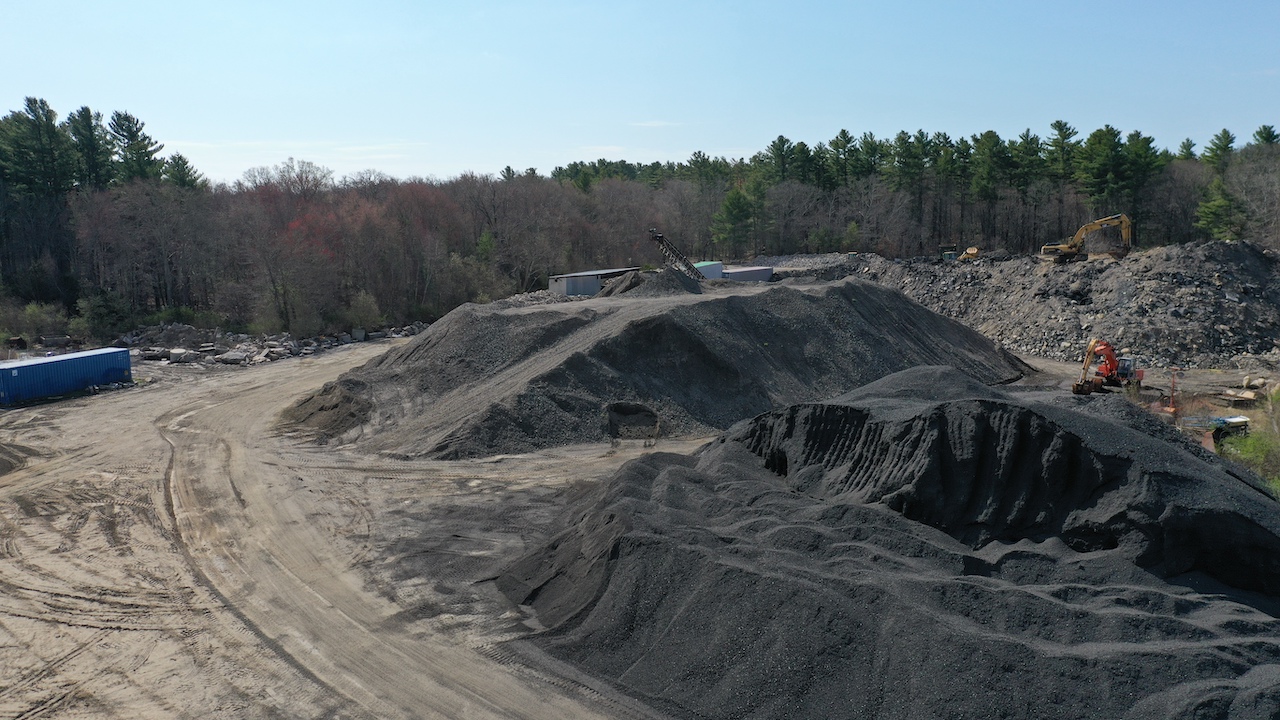
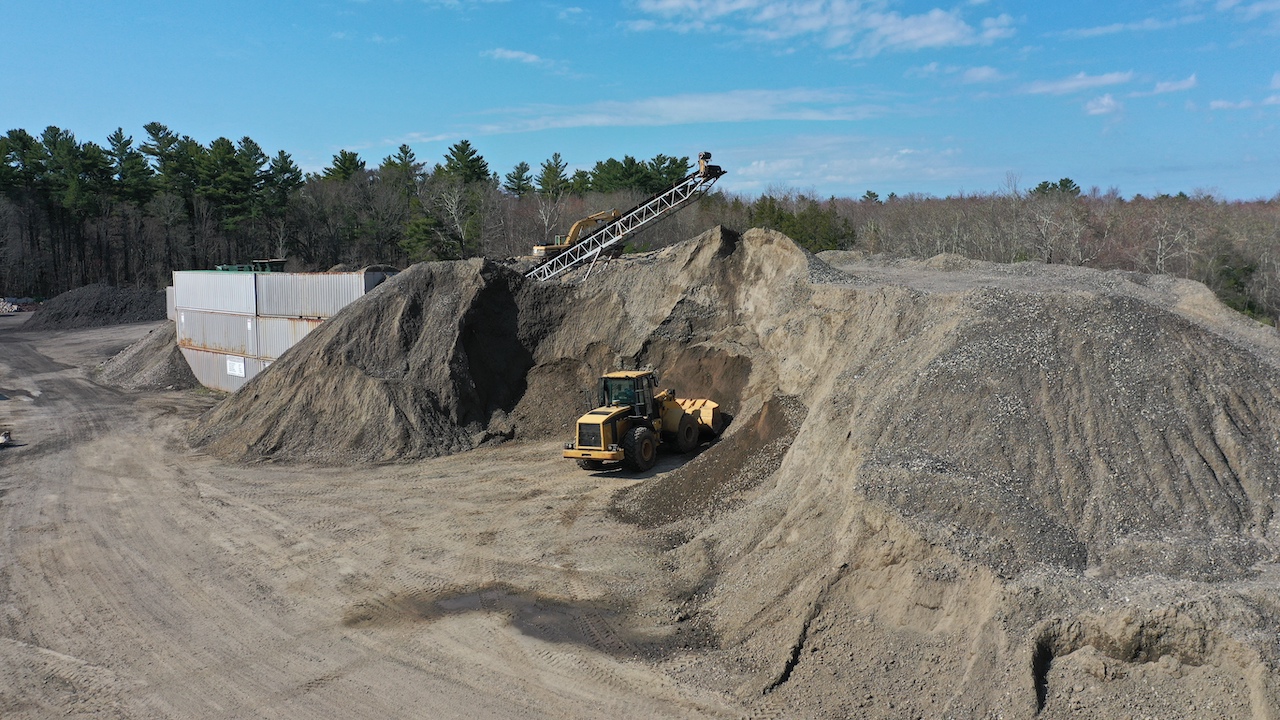
In large construction environments, consistency is essential. Stone dust is often used in bulk to ensure that every section of a project has the same base conditions. This is especially important in developments such as housing communities, commercial properties, and municipal infrastructure projects.
Using bulk material allows contractors to maintain uniform compaction and grading across large areas, reducing the risk of inconsistent settling or surface variation over time.
This approach also improves efficiency on job sites. With bulk delivery or pickup options, crews can keep material flow consistent and reduce downtime caused by repeated sourcing or small-load deliveries.
This aligns with the principles outlined in Building from the Ground Up: Why Bulk Materials Matter, where efficiency, scale, and material consistency are key factors in successful project execution.
Proper Installation and Compaction Practices
For stone dust to perform effectively, it must be installed correctly as part of a layered base system. It is typically placed over a compacted gravel base and then leveled and compacted before final surface installation.
Best practices include:
- Installing over a properly compacted aggregate base
- Applying in thin, even layers for consistent density
- Using mechanical compaction equipment for optimal results
- Ensuring proper grading for drainage and runoff control
When installed correctly, stone dust becomes a stable, interlocking layer that supports pavers and masonry units while helping maintain long-term surface integrity.
Final Thoughts
Stone dust is a critical component in hardscape construction, offering the compaction, leveling precision, and stability needed for durable outdoor surfaces. From patios and walkways to masonry and large-scale landscape installations, it plays an essential role in ensuring long-lasting performance.
When used as part of a properly designed base system and supplied in bulk for consistency, stone dust helps create strong, level, and reliable surfaces capable of withstanding both environmental conditions and heavy use over time.