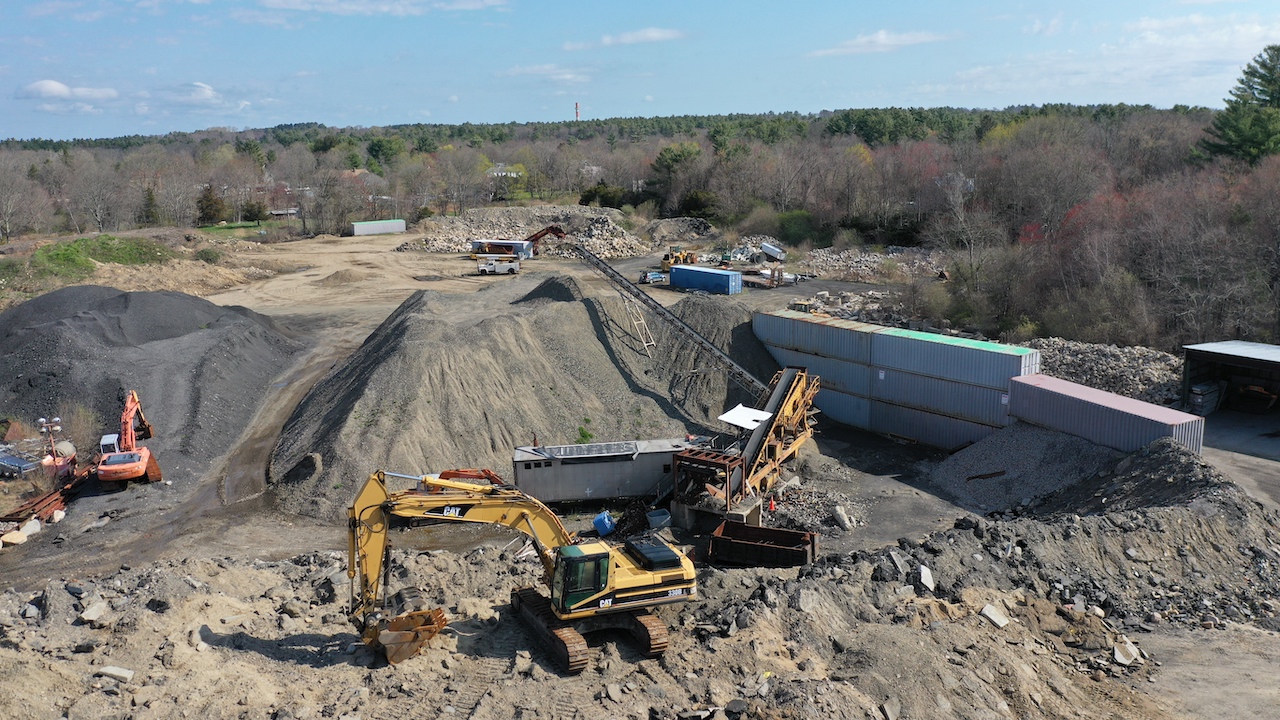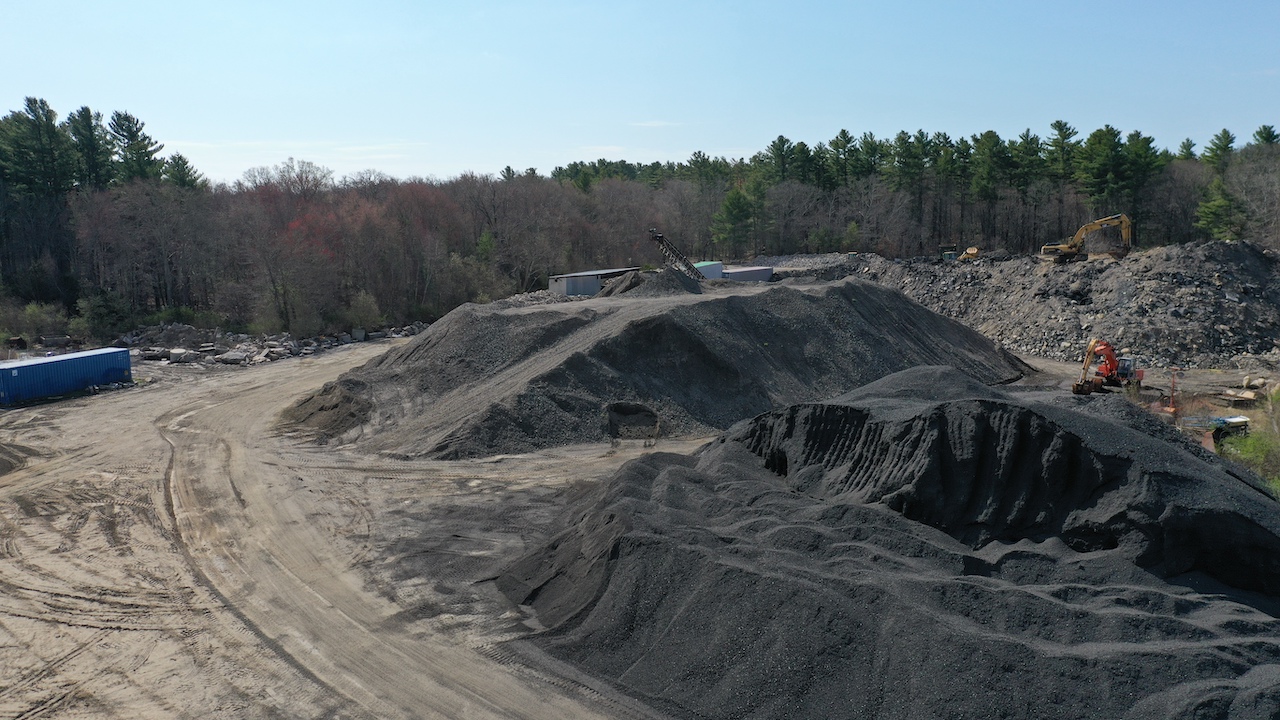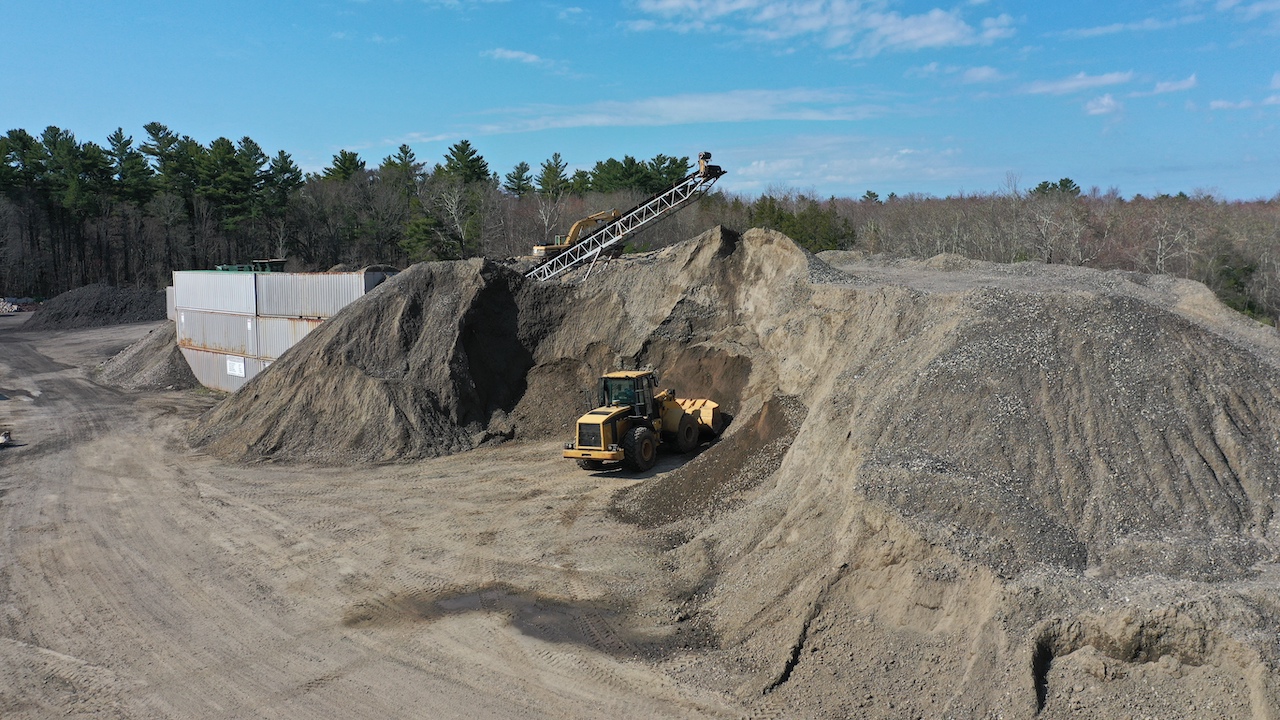
Building from the Ground Up: Why Bulk Materials Matter
Large-scale landscaping and construction projects rely heavily on the quality, consistency, and proper application of bulk materials. Whether you’re preparing sub-base layers for a new roadway, installing a drainage system, constructing retaining walls, or developing residential or commercial landscapes, the materials used beneath the surface are just as important as the visible finish.
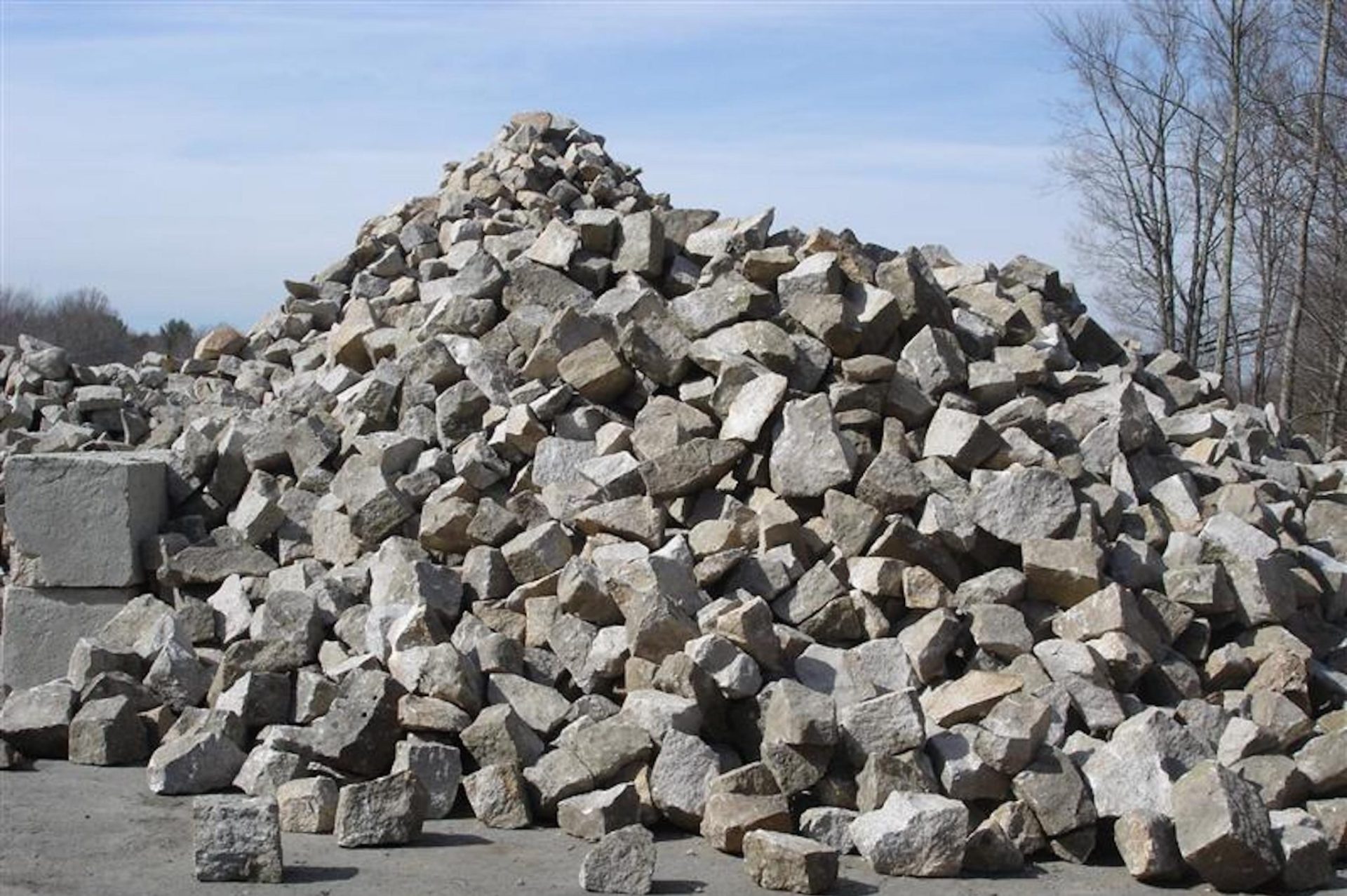
Projects such as new home developments, commercial parking areas, pool installations, erosion control systems, and municipal infrastructure all depend on properly selected aggregates and soils.With options available for both bulk delivery and on-site pickup, these materials can be accessed in a way that best suits the scope and logistics of the project.
Gravel: The Backbone of Structural Stability
Gravel serves as one of the most essential components in construction and landscaping due to its strength, drainage capability, and compaction properties.
Expanded Applications:
-
Base layers for roads, driveways, and parking areas
-
Structural support beneath concrete slabs and pavers
-
Sub-base material for patios and walkways
-
Foundation bedding for sheds, garages, and additions
-
Drainage fields and trench systems
Different grades of gravel are used depending on the application. Larger, angular stone provides better interlocking and stability, while smaller gravel is often used for finishing or drainage purposes. Proper compaction is critical, as it ensures load-bearing capacity and prevents settling over time.
Sand: Precision, Leveling, and Binding Applications
Sand plays a critical role in both structural and finishing stages of a project. Its fine, workable nature allows for precise leveling and mixing applications.
Expanded Applications:
-
Bedding layer for pavers, bricks, and stone installations
-
Mixing with cement for mortar and concrete
-
Leveling uneven surfaces prior to installation
-
Pool base preparation to create smooth, protective layers
-
Backfilling around utilities and pipes
The type of sand used can vary depending on the application. For example, coarse sand is often used in construction mixes, while finer sand is preferred for leveling and finishing surfaces. Proper grading ensures stability and helps prevent shifting or cracking in finished installations.
Stone Dust: Fine Compaction for Clean Finishes
Stone dust is a finely crushed aggregate material commonly used as a finishing base layer in hardscape projects.
Expanded Applications:
-
Base and leveling layer for patios and walkways
-
Underlayment for pavers and stone slabs
-
Joint filling material for tight stone installations
-
Surface stabilization for compacted areas
When compacted, stone dust creates a dense, interlocking surface that helps lock pavers in place. It also reduces movement caused by weather changes, traffic, and moisture fluctuations, making it an essential component in long-lasting installations.
Drainage Stone: Essential for Water Management Systems
Drainage stone is specifically designed to allow water to flow freely through voids while maintaining structural support.
Expanded Applications:
-
French drains and perimeter drainage systems
-
Foundation drainage and waterproofing systems
-
Backfill for retaining walls to relieve hydrostatic pressure
-
Septic system drainage fields
-
Erosion control and water diversion projects
Because drainage stone is typically washed and free of fines, it prevents clogging and ensures efficient water movement. Proper drainage design using the correct stone size is essential for protecting structures from water damage and soil instability.
Recycled Asphalt: Sustainable and Cost-Effective Solutions
Recycled asphalt, also known as reclaimed asphalt pavement (RAP), is an environmentally conscious alternative to traditional paving materials.
Expanded Applications:
-
Private and commercial driveways
-
Road base construction
-
Temporary or permanent access roads
-
Parking lots and staging areas
-
Base stabilization for heavy-use surfaces
Once compacted, recycled asphalt can create a durable, semi-permanent surface that performs well under traffic while offering cost savings compared to new asphalt. It also reduces waste by repurposing existing materials, making it a practical option for large-scale projects.
Wall Stone & Granite: Structural Integrity with Visual Appeal
Natural stone materials like wall stone and granite are commonly used where both strength and aesthetics are required.
Expanded Applications:
-
Retaining walls for slope stabilization
-
Tiered landscape features and garden walls
-
Steps, borders, and edging elements
-
Structural accents in hardscape designs
-
Commercial and residential decorative installations
These materials are valued for their durability, resistance to weathering, and timeless appearance. Proper installation techniques, including base preparation and drainage integration, are essential to ensure long-term stability and performance.
Loam & Screened Loam: Creating a Healthy Growing Foundation
Soil quality is a critical factor in any landscape project involving planting, grading, or lawn establishment.
Expanded Applications:
-
Final grading for lawns and turf installation
-
Garden beds and planting areas
-
Topdressing existing lawns
-
Filling low areas and improving drainage
-
Base preparation before seeding or sodding
Screened loam is processed to remove rocks, roots, and debris, resulting in a consistent, workable material that supports healthy root development. Proper soil composition helps with water retention, aeration, and nutrient availability.
Mulch & Compost: Enhancing Soil and Surface Protection
Mulch and compost are commonly used as finishing materials that improve both the appearance and functionality of landscaped areas.
Expanded Applications:
-
Moisture retention around plants and trees
-
Weed suppression in garden beds
-
Temperature regulation for soil health
-
Organic soil enrichment and amendment
-
Decorative ground cover for aesthetic appeal
Compost adds valuable nutrients and improves soil structure, while mulch helps protect the soil surface from erosion and environmental stress. Together, they contribute to long-term plant health and reduced maintenance requirements.
Bulk Delivery vs. Pickup: Matching Supply to Project Scale
Bulk landscaping materials are most efficient when delivered directly to the job site. Delivery allows contractors to receive large quantities of material in a single drop, reducing handling time and keeping projects moving without interruption. This is especially important for large developments, infrastructure work, and multi-phase construction projects.
For projects that require more control over material quantities or timing, on-site pickup is also available. This option works well for contractors coordinating multiple job locations or for jobs that require staggered material use.
Choosing the Right Materials for Your Project
Selecting the correct combination of materials depends on the type of project and its requirements. Driveways and roads rely heavily on compactable base materials like gravel and recycled asphalt, while drainage systems depend on clean, free-draining stone. Hardscape installations require a combination of gravel, stone dust, and sand to ensure stability and precision, while landscaping and planting projects depend on quality loam, compost, and mulch to support healthy growth.
By understanding how each material functions within a system, contractors and property owners can build projects that are not only visually appealing but also structurally sound and long-lasting. Bulk landscaping supplies provide the volume, consistency, and efficiency needed to execute these projects at scale, ensuring reliable results from the ground up.