Why Loam Is a Preferred Soil Material
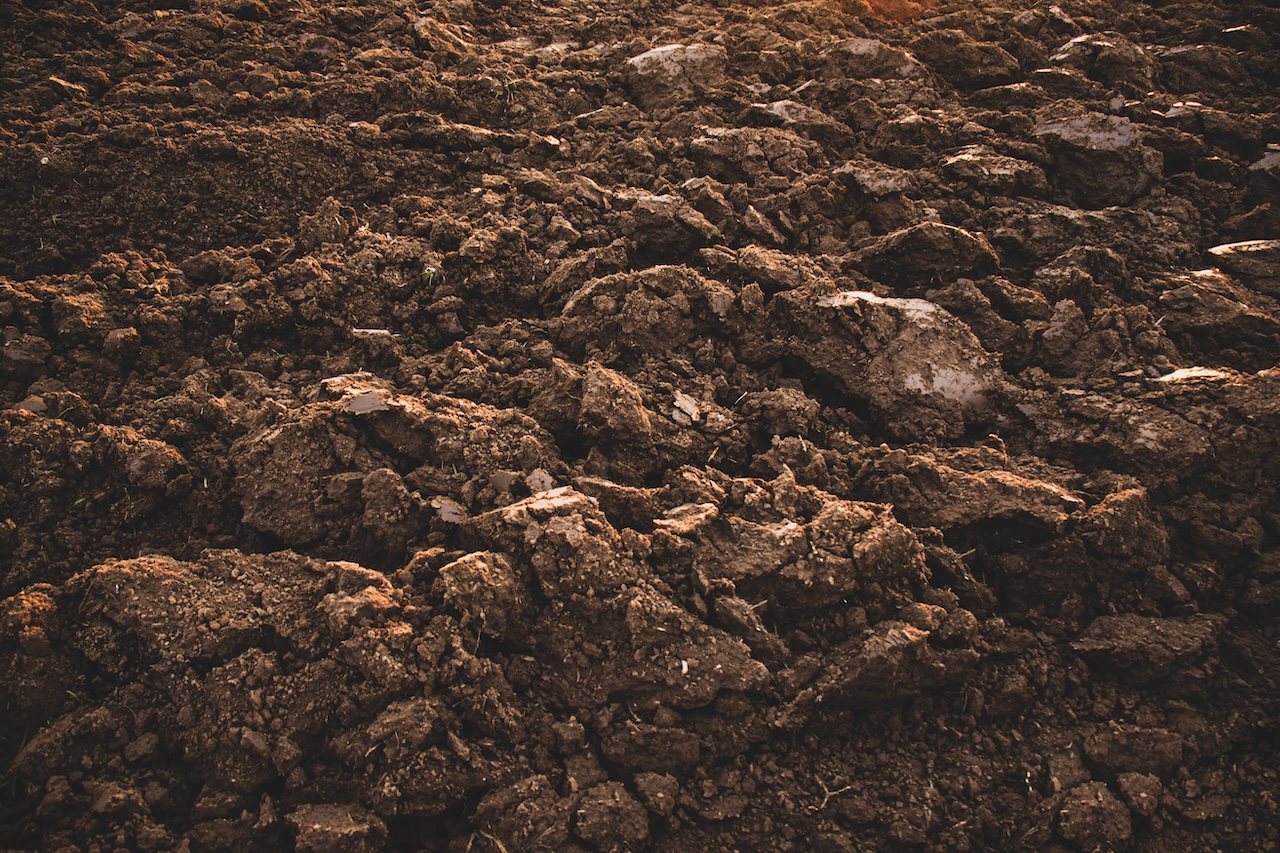
Loam is widely considered the ideal soil for landscaping because it offers the perfect balance of structure and fertility. Unlike overly sandy soils that drain too quickly or clay-heavy soils that retain too much water, loam creates an optimal growing environment.
Key benefits of loam include:
- Excellent moisture retention without becoming waterlogged
- Proper drainage to prevent root rot and erosion
- Rich nutrient content that supports plant health
- Easy to spread, grade, and work with
- Strong root support for grass, plants, and trees
- Versatility across a wide range of landscaping applications
Because of these advantages, loam is often used as the finishing layer in both residential and commercial landscape projects.
Common Uses of Loam in Landscaping & Construction
New Lawn Installation
Loam is most commonly used as the base for new lawns. A layer of screened loam provides the ideal environment for grass seed or sod to take root. Its balanced composition promotes even growth, helping create a lush, healthy lawn.
Planting Beds & Gardens
For garden beds, loam offers the nutrients and structure plants need to thrive. Whether you’re planting flowers, shrubs, or vegetables, loam helps maintain consistent moisture levels while supporting strong root development.
Grading & Site Preparation
In construction and landscaping projects, loam is often used for final grading. It helps create smooth, level surfaces and ensures proper drainage away from structures. This is especially important around foundations, walkways, and patios.
Erosion Control
Loam can be used to stabilize soil in areas prone to erosion. When combined with proper grading and vegetation, it helps hold soil in place and reduce runoff, particularly on slopes or newly developed properties.
Filling & Leveling
Loam is also used to fill in low areas, level uneven ground, and prepare sites for landscaping features. Its workability makes it easy to spread and shape, ensuring a consistent finish across the project area.
Screened Loam vs. Unscreened Loam
Not all loam is created equal. Screened loam is processed to remove rocks, roots, and debris, resulting in a finer, more uniform material that is easier to work with and better suited for planting and lawns.
Unscreened loam, on the other hand, may contain larger particles and is typically used for rough grading or fill applications where a refined finish is not required.
Choosing the right type of loam depends on your project goals and the level of finish you want to achieve.
Loam and Long-Term Landscape Health
Using high-quality loam doesn’t just improve the appearance of your landscape — it directly impacts long-term plant health and soil stability. Proper soil conditions encourage deep root growth, improve drought resistance, and reduce the need for excessive watering or fertilization.
Additionally, well-installed loam layers help prevent common issues such as pooling water, uneven settling, and poor plant performance.
Choosing the Right Loam for Your Project
When selecting loam, it’s important to consider:
- Soil composition and nutrient content
- Whether the loam is screened or unscreened
- Project type (lawn, garden, grading, or fill)
- Drainage requirements and site conditions
- Delivery quantity for efficient installation
Working with a trusted supplier ensures consistency in quality and helps you get the right material for your specific needs.
The Foundation for a Thriving Landscape
Loam may not be as visible as stone or hardscape features, but it is one of the most important materials in any landscaping project. It provides the foundation for healthy growth, proper drainage, and a polished final appearance.
From new lawn installations to full-scale landscape construction, loam plays a vital role in building outdoor spaces that are not only beautiful but built to last.