The Role of Sand and Gravel in Building Durable Landscapes and Structures
Sand and gravel are among the most widely used materials in both landscaping and construction, forming the backbone of many outdoor projects. As highlighted by Stone Farm Materials, bulk materials like these are fundamental when building from the ground up, providing the structural support and drainage needed to ensure long-term success. From residential landscapes to large-scale construction sites, sand and gravel play complementary roles that make them indispensable.
Understanding the Function of Sand and Gravel
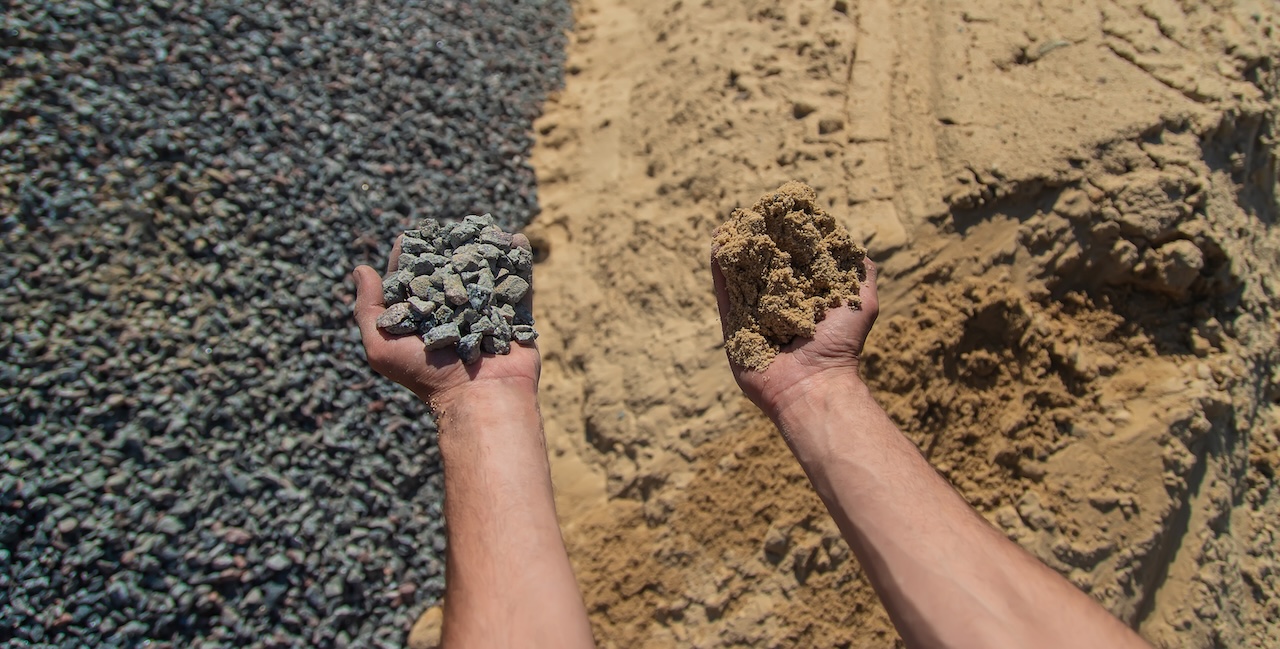
While often grouped together, sand and gravel serve distinct purposes. Sand consists of fine particles that are easy to level and compact, making it ideal for creating smooth surfaces. Gravel, made up of larger, angular stones, provides strength, stability, and excellent drainage. When used together, they create a layered system that supports both structural integrity and water management.
How Sand Supports Landscaping and Construction
Sand is valued for its versatility and ability to create even, workable surfaces. Its fine texture allows it to be shaped and compacted with precision, making it useful in a wide range of applications.
In hardscaping projects, sand is commonly used as a bedding layer beneath pavers, bricks, and stones. This helps create a level foundation and allows for minor adjustments during installation. Sand is also frequently incorporated into masonry work, where it is combined with cement to form mortar for walls, steps, and other structural elements.
Beyond construction, sand contributes to drainage in certain applications. When blended into soil or used in specific layers, it helps improve permeability and reduce compaction, allowing water to move more freely through the ground.
The Structural Importance of Gravel
Gravel plays a critical role in providing strength and load-bearing capacity. Its irregular shapes allow the pieces to interlock when compacted, creating a stable base that can support heavy weight and traffic.
One of the most common uses for gravel is in driveway construction. A properly installed gravel base can handle the demands of vehicle traffic while maintaining durability over time. Gravel is also widely used in road construction and as a foundational layer beneath concrete slabs, patios, and retaining walls.
In addition to its structural benefits, gravel is highly effective in drainage applications. Its larger particle size allows water to flow through freely, making it an ideal choice for French drains, dry wells, and areas where water management is essential. This helps prevent pooling, erosion, and damage to nearby structures.
Layering Sand and Gravel for Optimal Performance
Many projects rely on a combination of sand and gravel to achieve the best results. Gravel is typically used as the base layer to provide strength and drainage, while sand is applied on top to create a smooth, even surface for finishing materials.
This layered approach is common in patio installations, walkway construction, and other hardscape projects. The gravel layer ensures stability, while the sand layer allows for precise leveling and alignment of pavers or stones. Together, they create a system that balances durability with usability.
Applications Across Different Types of Projects
Sand and gravel are used across a wide range of landscaping and construction scenarios, including:
- Driveways and access roads that require a stable, compacted base
- Drainage systems designed to manage water flow and prevent flooding
- Patio and walkway installations that need a level foundation
- Retaining wall bases that must support structural loads
- Site preparation and grading for new construction projects
- Landscaping beds where soil structure and drainage are important
Each application depends on selecting the right type and size of material to match the demands of the project.
Why Bulk Materials Improve Project Efficiency
Ordering sand and gravel in bulk offers practical advantages for both contractors and homeowners. Bulk delivery ensures consistency in material quality and reduces the need for repeated trips to source smaller quantities. It also helps maintain efficiency on the job site, allowing work to progress without delays caused by material shortages.
As emphasized by Stone Farm Materials, working with bulk materials supports better planning, smoother execution, and more reliable results, especially for larger or multi-phase projects.
Building with a Solid Foundation
Sand and gravel may not always be visible in the finished product, but they are essential to its performance. From supporting heavy loads to managing water and creating stable surfaces, these materials provide the foundation that allows landscapes and construction projects to succeed.
By understanding how sand and gravel function individually and together, you can make more informed decisions and ensure your project is built to last from the ground up.