Why Granite Is a Preferred Material
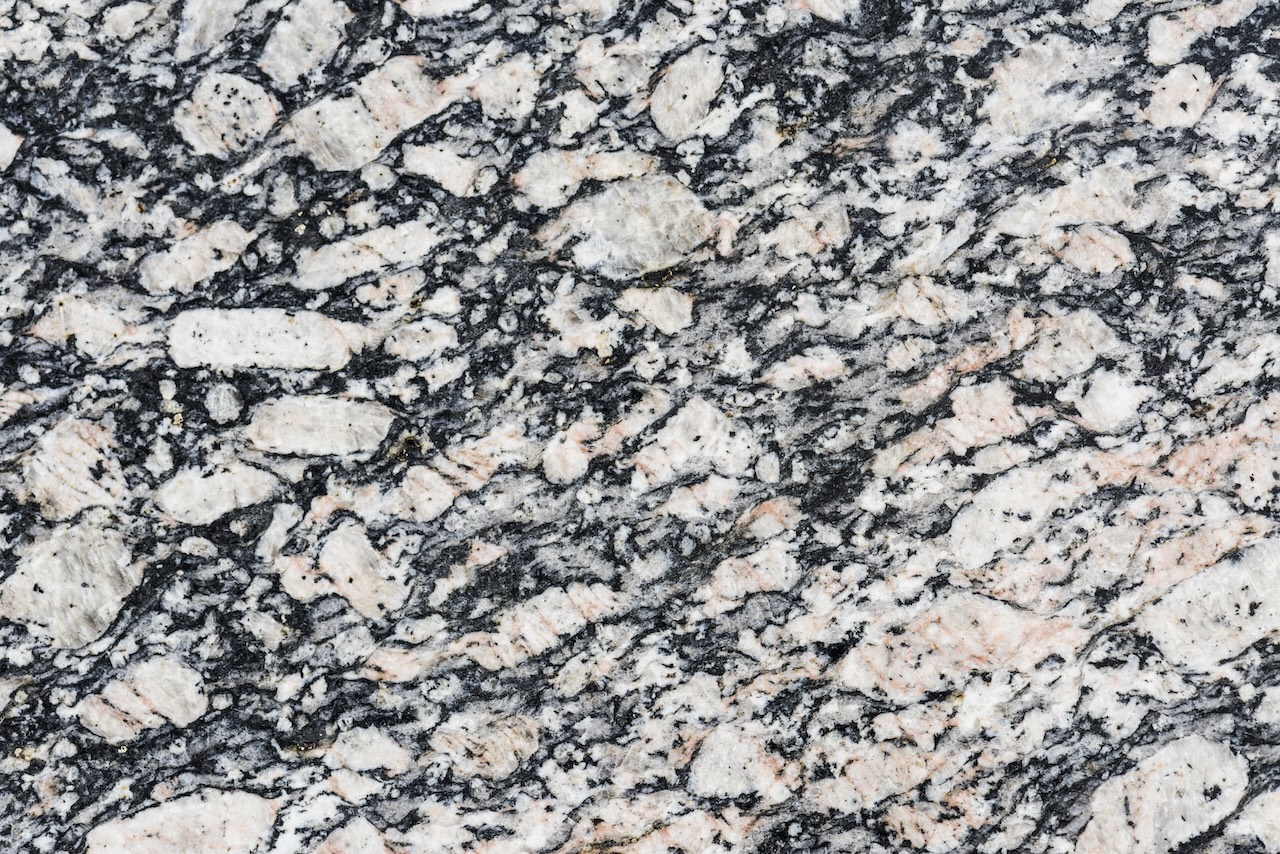
Granite is an igneous rock formed under intense heat and pressure, which gives it a dense composition and high compressive strength. These characteristics make it ideal for demanding environments where other materials may degrade over time.
Some of the key advantages of granite include:
- Exceptional durability and resistance to cracking
- Low porosity, helping it resist water absorption
- Natural resistance to weathering and erosion
- Minimal maintenance requirements
- Long lifespan with minimal deterioration
- Timeless, natural appearance that enhances property value
Because of these qualities, granite is commonly used in both residential and commercial construction projects where longevity is a priority.
Common Uses of Granite in Construction & Landscaping
Retaining Walls
Granite is frequently used in the construction of retaining walls due to its strength and stability. Large granite blocks or cut stone can hold back soil effectively while providing a visually appealing, natural finish. These walls are often used in sloped landscapes, erosion control systems, and tiered garden designs.
Steps and Stairs
Granite steps are a popular choice for outdoor stairways because they can withstand heavy foot traffic and harsh weather conditions without deteriorating. Their weight and durability ensure they remain stable over time, while their natural texture provides traction and safety.
Driveways and Edging
In certain applications, granite is used as part of driveway construction or as edging material. Granite curbing, for example, offers a strong, long-lasting border that helps define driveways, walkways, and landscape beds while maintaining structural integrity.
Hardscaping Features
Granite is often incorporated into decorative hardscaping elements such as:
- Garden borders
- Pathway accents
- Stone seating areas
- Decorative boulders
- Entryway features
Its natural variation in color and texture allows it to blend seamlessly into a wide range of landscape designs, from modern to traditional.
Drainage and Structural Support
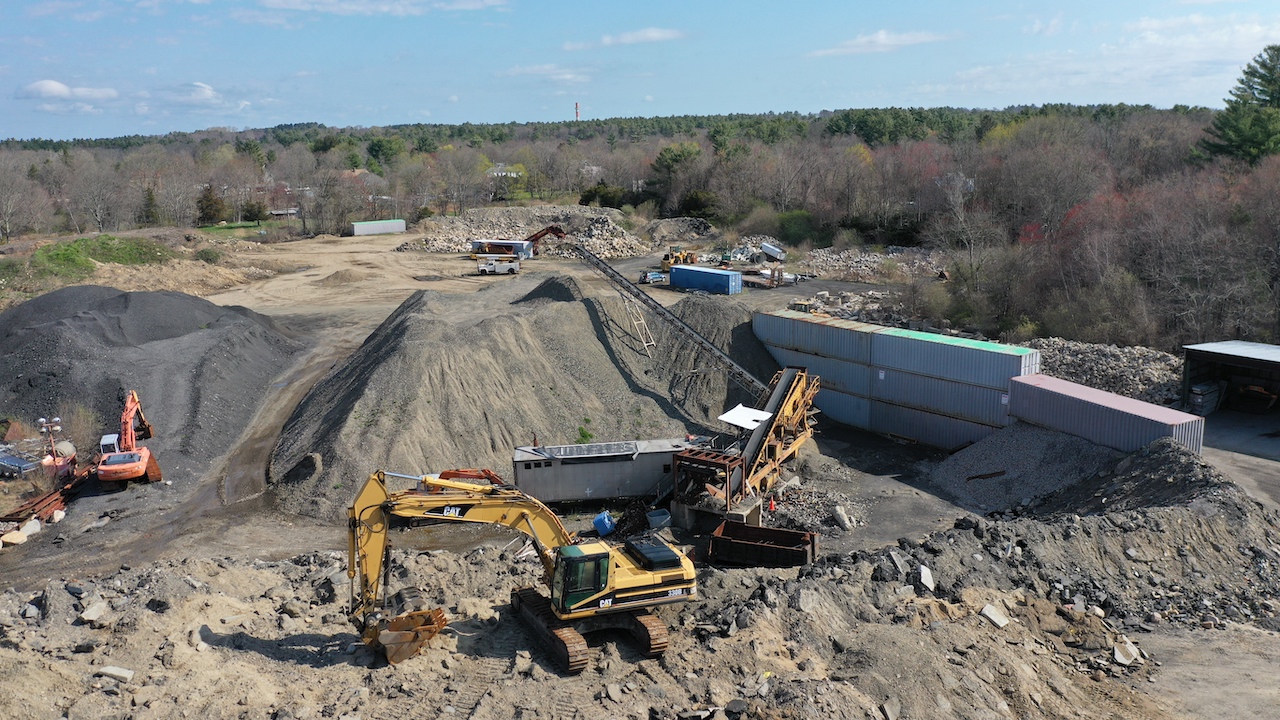
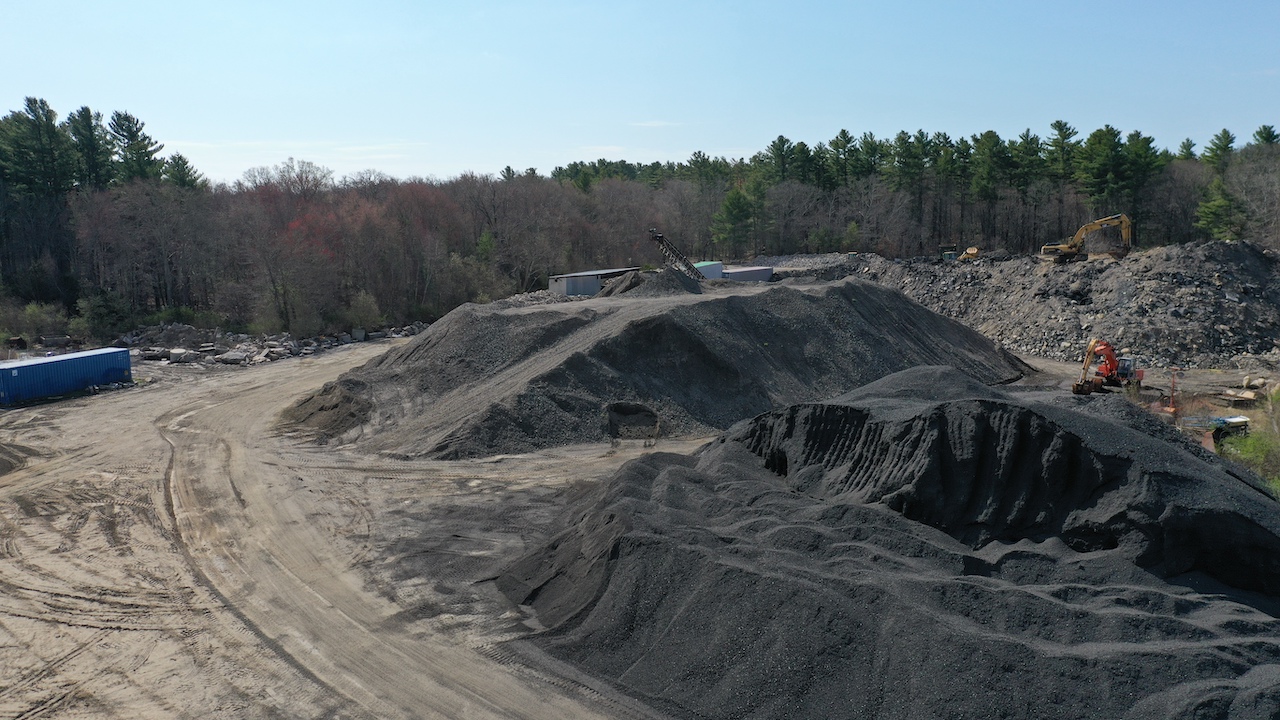
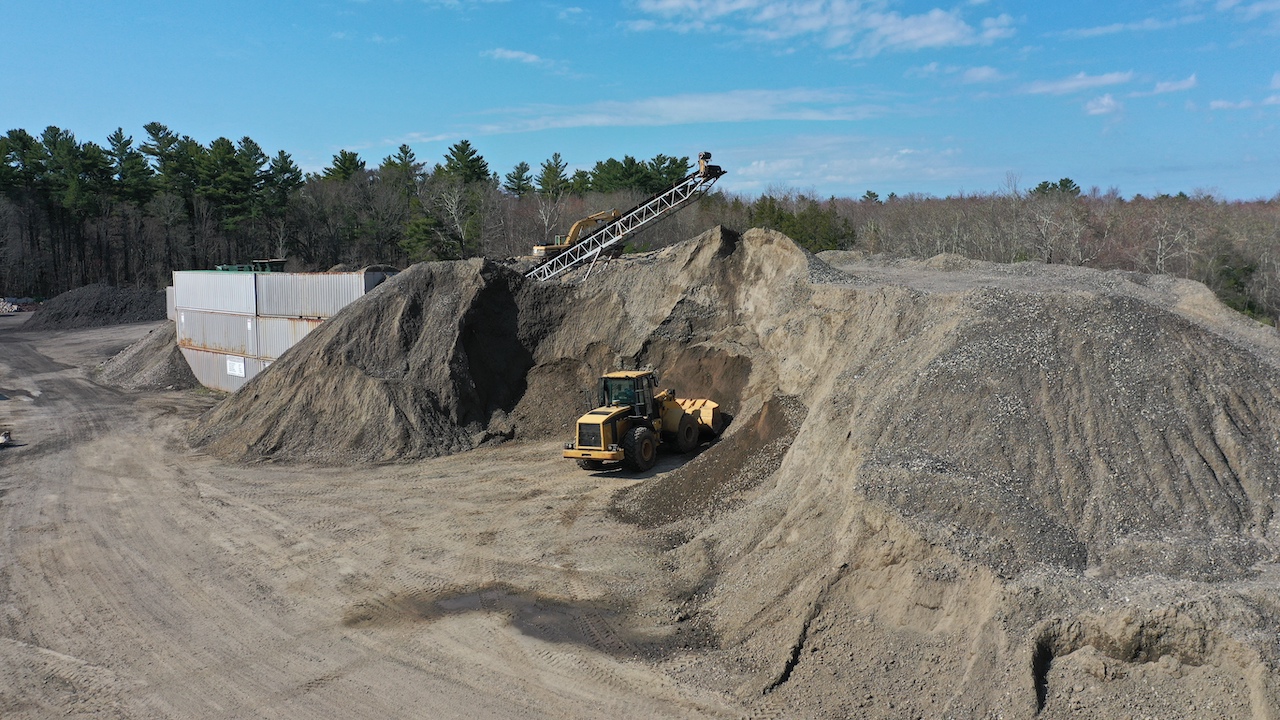
Granite materials, including crushed granite, are sometimes used in drainage applications or as a stable base layer beneath other surfaces. Its strength and ability to remain intact under pressure make it suitable for supporting loads while still allowing for proper water movement in certain configurations.
Granite vs. Other Materials
Compared to other natural and manufactured materials, granite offers a unique balance of strength and aesthetics. While materials like concrete may provide cost efficiency, granite often outperforms in terms of longevity and natural appearance. Unlike softer stone materials, granite resists chipping, erosion, and surface wear, making it a preferred choice for high-traffic or high-impact areas.
Choosing Granite for Your Project
When selecting granite for a construction or landscaping project, it’s important to consider factors such as:
- Size and form (blocks, slabs, crushed stone, boulders)
- Intended application (structural vs. decorative)
- Load-bearing requirements
- Aesthetic preferences (color, texture, finish)
- Site conditions and drainage needs
Working with a reliable supplier ensures you receive consistent, high-quality granite suited to your specific project requirements.
The Long-Term Value of Granite
Granite is more than just a material choice — it’s an investment in durability and longevity. Its ability to withstand environmental stress while maintaining its appearance makes it a preferred option for projects that are built to last. From foundational elements to finishing touches, granite continues to play a vital role in construction and landscaping projects of all sizes.
By incorporating granite into your next project, you’re choosing a material that combines strength, functionality, and timeless design — all essential qualities when building from the ground up.